
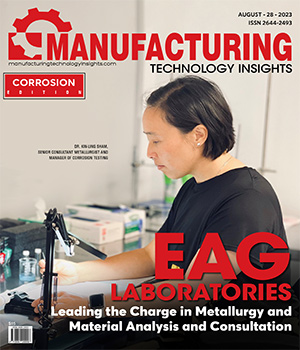

In today’s rapidly evolving world, the impact of corrosion on industrial processes, infrastructure, and daily life cannot be underestimated. Corrosion, a natural process that gradually deteriorates materials, poses significant challenges to various sectors, including transportation, energy, manufacturing, and construction. However, the advancement of corrosion technology offers hope in combating this age-old problem. In this editorial, we shed light on the importance of embracing corrosion technology and how it can pave the way to sustainability and safety.
Corrosion, simply put, is the enemy of materials. It leads to the degradation of metals and other substances due to environmental factors, resulting in economic losses and safety hazards. The cost of corrosion worldwide runs into billions of dollars annually. Whether it is rust on bridges, pipelines, or the corrosion of aircraft components, the repercussions are far-reaching and demand immediate attention.
In an era when sustainability is paramount, corrosion becomes even more significant. Preventing premature failure and extending the lifespan of structures and equipment can significantly reduce the consumption of raw materials and energy. Adopting corrosion technology can lead to more durable products, decreased maintenance requirements, and reduced waste, thus contributing to a more sustainable future.
Historically, corrosion management primarily involved reactive measures like repair and replacement after damage had occurred. However, modern corrosion technology focuses on proactive prevention and mitigation strategies. Coatings, inhibitors, cathodic protection, and advanced materials are just a few examples of the cutting-edge approaches that have emerged to safeguard against corrosion.
Corrosion technology represents a beacon of hope in the battle against material degradation, enabling us to build a sustainable and safer future. Embracing corrosion prevention and mitigation strategies, such as protective coatings, corrosion inhibitors, cathodic protection, and advanced materials, can revolutionize industries and infrastructure development. It is crucial for societies and businesses to recognize the value of corrosion technology and invest in research and development to combat this persistent adversary.